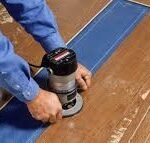
Basements in UK homes present one of the most challenging environments for flooring. Due to their below-ground position, they are highly susceptible to damp, moisture ingress, temperature fluctuations, and in some cases flooding. Choosing the wrong flooring can lead to costly damage, mould growth, and structural issues.
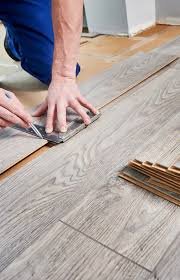
This guide explores the best basement flooring solutions suitable for UK conditions, focusing on durability, moisture resistance, and long-term performance.
Why Basement Flooring is Different in the UK
Unlike upper floors, basements are in direct contact with surrounding soil and groundwater. This makes them far more vulnerable to moisture problems.
In many UK properties, especially older Victorian and Edwardian homes, basements were not originally designed as living spaces. As a result, they often lack proper damp-proofing or insulation.
Common issues include:
Rising damp through concrete floors
Seepage through walls
High humidity levels
Poor ventilation
Because of these challenges, flooring must be carefully selected to withstand harsh conditions.
Key Requirements for Basement Flooring
When choosing flooring for a UK basement, several essential factors must be considered:
Moisture resistance is the most important requirement.
Mould resistance helps maintain healthy indoor air quality.
Durability ensures the floor can withstand long-term exposure.
Temperature stability prevents warping or cracking.
Ease of installation is also important in retrofit basement conversions.
Luxury Vinyl Tile (LVT): The Most Reliable Option
Luxury Vinyl Tile is widely regarded as one of the best flooring solutions for UK basements. It is completely water-resistant and performs well in environments with high humidity.
LVT does not absorb moisture, which makes it ideal for damp-prone areas. It also provides a comfortable underfoot feel, unlike cold concrete floors.
Another key advantage is its ability to replicate natural materials like wood or stone, giving basements a modern and stylish appearance.
It is also relatively easy to install, making it a popular choice for basement conversions.
Epoxy Flooring: Industrial Strength Protection
Epoxy flooring is a highly durable solution often used in garages and commercial spaces, but it is also increasingly used in UK basements.
It creates a seamless, waterproof surface that prevents moisture penetration entirely.
Epoxy is extremely resistant to stains, chemicals, and wear, making it ideal for multifunctional basement spaces.
However, it can feel cold and hard underfoot, so it is often combined with rugs or insulation layers.
Porcelain Tiles: Long-Term Durability
Porcelain tiles are another excellent option for basements due to their low water absorption rate.
They are highly durable and resistant to moisture, making them suitable for long-term use in damp environments.
When properly installed with a waterproof membrane, porcelain tiles can last for decades.
They are particularly popular in UK basements used as utility rooms or storage areas.
Engineered Wood: Only with Proper Waterproofing
Engineered wood can be used in basements, but only under the right conditions.
A proper damp-proof membrane and moisture barrier must be installed to protect the flooring.
Even then, it is more suitable for converted basements with controlled humidity levels.
While it offers a warm and natural aesthetic, it carries a higher risk compared to vinyl or tiles.
Flooring Options to Avoid in Basements
Certain flooring materials should be avoided entirely in basement environments:
Solid hardwood is highly vulnerable to moisture damage.
Carpet can trap damp and lead to mould growth.
Low-quality laminate can warp and deteriorate quickly.
These materials are not suitable for damp-prone UK basements.
Importance of Damp-Proofing Before Installation
Before installing any flooring, proper damp-proofing is essential.
This may include:
Damp-proof membranes
Tank waterproofing systems
Improved ventilation
Dehumidifiers
Without addressing moisture issues first, even the best flooring will eventually fail.
Insulation and Comfort Considerations
Basements tend to be colder than other parts of the home. Adding insulation beneath flooring can significantly improve comfort and energy efficiency.
Underfloor heating is also becoming increasingly popular in UK basement conversions.
LVT and porcelain tiles work particularly well with heating systems.
Design Considerations for Basements
Modern UK homeowners are increasingly converting basements into living spaces such as home offices, gyms, cinemas, and guest rooms.
This has led to a demand for flooring that is both practical and visually appealing.
Light-coloured flooring can help make basement spaces feel brighter and more open.
Wood-effect LVT is particularly popular for creating a warm and inviting atmosphere.
Maintenance and Longevity
Basement flooring requires regular maintenance checks to ensure no moisture is seeping through.
Dehumidifiers can help maintain optimal humidity levels.
Quick cleaning of spills and monitoring for damp patches is essential for long-term durability.
Cost vs Performance
While basement flooring solutions can vary in cost, it is important to prioritise performance over price.
Investing in high-quality waterproof flooring can prevent expensive structural repairs in the future.
LVT offers one of the best balances between affordability and performance.
Final Thoughts
Basement flooring in UK homes requires careful planning due to persistent damp and moisture challenges.
Luxury vinyl tile, epoxy flooring, and porcelain tiles are among the most reliable options.
With proper waterproofing and installation, basements can be transformed into functional, stylish, and comfortable living spaces.