The UK rental market is highly competitive, and landlords are constantly looking for ways to maximise return on investment while minimising maintenance costs. One of the most important yet often overlooked aspects of a rental property is flooring. The right flooring can reduce maintenance issues, improve tenant satisfaction, and increase the overall value of the property.
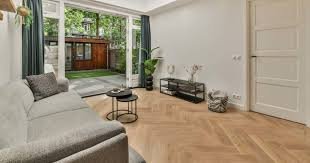
Choosing flooring for rental properties is different from choosing it for personal homes. The focus is not only on appearance but also on durability, cost-effectiveness, and ease of replacement.
Why Flooring Matters in Rental Properties
Rental properties experience significantly more wear and tear compared to owner-occupied homes. Tenants may not always take the same level of care, and turnover between tenants can lead to frequent maintenance needs.
Flooring must therefore be able to withstand heavy use, spills, moving furniture, pets, and general day-to-day activity.
In addition, flooring plays a major role in tenant perception. A clean, modern floor can make a property feel more valuable and well-maintained, increasing rental demand.
Key Requirements for Landlord Flooring
When selecting flooring for UK rental properties, landlords should focus on several key factors.
Durability is essential to reduce replacement frequency.
Low maintenance helps reduce ongoing costs.
Water resistance is important for kitchens, bathrooms, and entryways.
Affordability ensures a good balance between upfront investment and long-term value.
Neutral appearance appeals to a wider range of tenants.
Luxury Vinyl Tile (LVT): The Landlord’s Favourite
Luxury Vinyl Tile has become one of the most popular flooring choices for UK rental properties. It offers a strong balance of durability, affordability, and style.
LVT is highly resistant to scratches, stains, and moisture, making it ideal for high-traffic rental environments. It is also easy to clean, which reduces maintenance effort between tenancies.
Another advantage is its design flexibility. It can replicate wood or stone, allowing landlords to achieve a premium look without high costs.
Because of its durability, LVT often lasts many years, making it a cost-effective long-term investment.
Laminate Flooring: Budget-Friendly and Practical
Laminate flooring is widely used in rental properties due to its low cost and decent durability. It provides a clean and modern appearance that appeals to most tenants.
Modern laminate is more resistant to scratches than older versions, making it suitable for living rooms and bedrooms.
However, it is less resistant to moisture, so it should be used carefully in kitchens or avoided in bathrooms unless specifically waterproof-rated.
Carpet: Still Popular in Bedrooms
Carpet remains common in UK rental properties, particularly in bedrooms. It provides warmth, comfort, and sound insulation, which tenants often appreciate.
However, carpets can stain easily and may require replacement more frequently than hard flooring options.
Choosing stain-resistant and dark-toned carpets can help improve longevity and reduce maintenance costs.
Vinyl Sheet Flooring: Cost-Effective Solution
Vinyl sheet flooring is one of the most affordable options available. It is water-resistant and easy to clean, making it suitable for kitchens and bathrooms in rental properties.
While it may not offer the premium appearance of LVT, it is highly practical for budget-conscious landlords.
It is also quick to install and replace, reducing downtime between tenants.
Engineered Wood: Premium but Risky for Rentals
Engineered wood offers a high-end appearance, which can attract quality tenants and justify higher rental prices.
However, it is more expensive and less resistant to damage compared to vinyl or laminate.
In rental properties, it is best used selectively in higher-end developments or managed properties where tenants are carefully screened.
Flooring to Avoid in Rental Properties
Some flooring types are not ideal for rental use.
Solid hardwood is expensive and easily damaged.
Low-quality carpet wears out quickly.
Cheap laminate may need frequent replacement, increasing long-term costs.
Design Strategy for Maximum Appeal
Neutral colours are the safest choice for rental properties. Shades of grey, beige, and light oak appeal to the widest tenant demographic.
Consistency throughout the property also creates a more modern and spacious feel.
Maintenance Strategy for Landlords
Regular inspections between tenancies are essential to identify wear and damage early.
Using protective mats in high-traffic areas can extend flooring lifespan.
Quick repairs or replacements help maintain property value and tenant satisfaction.
Cost vs Longevity Balance
The cheapest flooring is not always the most cost-effective. Frequent replacements can quickly add up.
Mid-range options like LVT often provide the best return on investment for landlords due to their durability and low maintenance requirements.
Final Thoughts
Flooring is a critical investment for UK rental properties. The right choice can reduce maintenance costs, improve tenant retention, and increase property value.
LVT stands out as the most balanced option, while laminate and vinyl sheet flooring offer budget-friendly alternatives.
By selecting durable, neutral, and low-maintenance flooring, landlords can maximise both profitability and tenant satisfaction.